Don’t be surprised if dental codes sound confusing to you! Both dental professionals and dental patients find them hard to understand at times. One of the many dental codes is D7210. This dental code is submitted if the extraction of an erupted tooth entails bone removal and/or tooth sectioning.
Normally, D7210 is reimbursed at a 150–180 percent higher rate. The higher charge is justified by the fact that the removal procedure takes longer and is more difficult.
Let us learn more about the D7210 dental code through this blog.
D7210 should be handled with caution. You need to explain the process in detail in the clinical notes. Mentioning typical notation like, "Elevated flap (if appropriate) and extracted the bone and/or sectioned teeth, might not work. You can change it to, “The measures taken during the treatment were necessary to extract the tooth."
Points to consider:
The use of sutures does not elevate the extraction to that of an erupted tooth. D7210 necessitates bone excision and/or "teeth sectioning." The service is elevated to that defined in D7210 by sectioning the teeth. D7210 includes the elevation of a mucoperiosteal flap if necessary.
Few facts about this dental procedure code while submitting the insurance claim:
As per ADA code D2740, the regular fee for the procedure is $1,168. The covered service depends upon the plan and its benefits, although if you want to upgrade from a full cast-metal to a porcelain crown, your patient has to pay the cost difference if not included in their plan.
This procedure code is a game-changer and bridges the gap between preventive prophy and scaling, and root planing went into effect on January 1, 2017. This new CDT code accurately described the services rendered, resulting in clean claims and no over-coding or under-coding.
As per the American Dental Association (ADA), D4346 Dental Code is scaling in the presence of generalized moderate or severe gingival inflammation- full mouth, after oral evaluation.
The description code reads the removal of plaque and calculus than usual. There have been stains and show many areas of supra-and sub-gingival tooth surfaces like 4mm, 5mm, or even 6mm pockets around teeth that cause severe or moderate gingival inflammation.
Patients with bleeding during probing, swollen or inflamed gingiva, and suprabony pockets don't go in conjunction with prophylaxis, root planning, scaling, full mouth debridement, and unspecified periodontal procedures.
Assignment of benefit, widely known as AOB, is a contractual agreement signed by a policyholder which enables a third party to file a claim, asking them to pay the designated amount directly to your provider for the rendered service. As AOB authorizes a third party to file a claim, make a decision, repair, and collect the payment from the insurer does not require your involvement and takes up to one month to receive the reimbursement.
An assignment of benefits is efficient or customer-friendly to leave that claim to the contractor without the policyholder losing too much sleep.
Inflated claims and massive legal actions can dwarf the benefits to the patients by increasing the cost of the insurance premiums and more restrictive terms and conditions. The legal handling cost of the insurers will rise, eventually resulting in deductions leaving the policyholders out of pocket for potentially significant loss.
As per NUBC (National Uniform Billing Committee), the revenue code indicates specific accommodations, ancillary services, billing calculations, and arrangements relevant to the claim. It is a three or four-digit code carrying information-specific procedures to designate the services performed by the provider.
Revenue codes are universal codes that make the process smoother for a clean claim. The revenue codes were made mandatory in hospital billing to convey to the insurers when and where the patient received the treatment or what type of equipment to withhold the medical necessity.
The insurers can deny the submitted claim if this goes missing, and the provider has to forget about the reimbursement for the rendered services. Revenue codes also reveal the procedure in the operating room, emergency room, or another department.
There are three sets of universal codes that hospitals run for different goods and services to reveal to the insurers that the patient existed while receiving the treatment.
Such information is crucial as most of the procedures get conducted in different areas of a hospital. For instance, stitches get undertaken in the maternity ward, emergency room, or other designated premises. This information decides the price for the procedure.
If a revenue code for medical billing is attached to a supply code, it indicates the location of the equipment was in the hospital or taken home by the patient. Therefore, revenue codes support the revenue cycle of the hospital.
Procedure codes complement a revenue code and indicate what the provider did during the encounter to be accepted by the insurer. It makes up 81 fields on the UB-04 form, where the revenue codes describe the field 42-49 as standard for hospitals.
Earlier revenue codes were three digits, but now, they are four digits due to the need for an additional code. The first digit in the revenue code represents zero. If a revenue code ends with zero, the service is unspecified. When a revenue code ends with a nine, this indicates others in any given category.
If a claim makes its way to the insurer without a revenue code, it gets rejected. The most common revenue codes help insurance companies with procedures, supplies used, types of treatments, and equipment to determine the reimbursement amount.
Code 250- Pharmacy services
Code 270- Medical or surgical supply
Code 272- Sterile supply
Code 274- Prosthetic or orthotic equipment
Code 276- Intraocular Lens implants
Code 278- Other implants
Code 279- Supplies
Code 320- X-rays
Code 370- General anesthesia
Code 379- Other anesthesia
Code 490- ASC (Ambulatory surgical center) procedures
Code 710- Recovery room charges
The above list of revenue codes out of the hundreds makes the reimbursement hassle-free and prevents any confusion or rejection of claims. Medical billers and coders specialists play an indispensable role in assigning the codes to bill forms, as any discrepancy can cause a penalty and is considered fraudulent on the part of the hospital.
Getting a dental business off the ground may be a difficult and demanding process. Launching a dentistry practice might feel like an enormous undertaking; what with obtaining personnel and medical supplies, defining a sound business plan, and even working out initiatives that would bring in clients, among other things. If you find yourself in this situation, there are several things to consider before taking that next step. The article will discuss the thing that you should consider before opening your very own dental office.
Estimate Start-up Costs
A dental office owner must, of course, keep track of his or her money. As a result, anyone considering opening a dental business should calculate how much money they'll need to pay their costs.
When you consider that many new dentists can't charge enough to cover all of their expenditures on day one or day two of business, it's no surprise that less than ten percent of new practices survive five years.
As a result, dentists frequently want some form of finance to give them the operating cash they require to cover their expenses. After all, generating enough revenue from patient fees alone to pay all expenditures might take years.
Financial Management
When it comes to starting a business, financial management is a multi-faceted process. The first step is to set up your state and federal taxes, as well as obtain an IRS tax ID number. You may now establish plans to receive payments in a variety of ways (credit or cash). To accept payments, you'll need to purchase hardware and software.
Find the Best Insurance
Every business requires liability insurance, but a dental practice's requirements are distinct. Before you start looking for locations to open your business, speak with an insurance agent about the kind of coverage you'll want. Make sure your account for this cost is in your budget.
Finding the Right Location for Your Dental Office
Another thing to consider when opening a dental office is the location. Some regions may be considerably more profitable than others, and not all sites are made equal. When looking for a place to open your clinic, think about which region will provide you the most return on investment for the time and money you put into it.
Furniture, equipment, software, and supplies—determining and acquiring everything you'll need to run your clinic may be a time-consuming and expensive procedure. Make sure you shop around for the greatest rates, financing, and training on dental equipment and technology.
Develop a Marketing Plan
Great marketing is essential to make a business successful. When you invest in dental marketing at the proper moment, you'll be able to attract new patients and establish yourself as a top dental office. Create a marketing strategy to establish a brand for your dental office. It will assist you in gaining loyal customers as well as making future scaling easier. Here are a few things to think about when it comes to marketing.
When you recruit someone, you must do so properly, which means in the most cost-effective and time-efficient way possible. Hiring a new employee may appear to be a simple task, but it's critical not to rush into it without first conducting thorough research. While there are no assurances that the person you employ will work out, there are some measures you can take to attract the finest applicants and safeguards you can take to increase your chances of choosing the right person for your dental office.
Understand the Requirement
Every successful business whether it’s a corporate firm or a dental office understands the significance of hiring. Good staff can make or break your business. Therefore, you must be clear as to what you're searching for before you begin the process of hiring staff for your dental office. The more you know about the position for which you'll be interviewing, the better you'll be able to evaluate candidates and select the finest ones for consideration. Pose the following two questions to yourself:
Posting Your Job Vacancy
Before you advertise a job for your dental office, make a list of all the qualifications required to perform the position. If you need a new receptionist, for example, the job description should state that the successful candidate would be expected to do considerably more than merely answer the calls.
Many recruiters now use LinkedIn, the world's largest network for companies to post job openings and job seekers to upload resumes.
Evaluate Resumes of Candidate
The first thing you should do is assess the resumes you've received for the position you're trying to fill. In this preliminary review:
Conduct Thorough Interview
You should call the applicants who have been shortlisted and participate in an interview. It can weed out applicants who are unable to work during your office hours or at your location, do not appear passionate about the employment, have unreasonable wage expectations, or have really poor communication skills.
Interview questions might be based on hypothetical circumstances. What would they do if their schedules had to change due to unforeseen circumstances, such as an emergency? How would they manage a conflict with another member of the team, for example? Get a sense of how people operate under duress.
Working Interview
Return the most promising applicants for a full-day employment interview. Observing individuals at work is the greatest method to assess them. The working interview is a day when you ask the candidate to do the task for which they are being hired. While the candidate may not be capable of performing the job successfully (without additional on-the-job training), you are searching for the following characteristics:
Collect feedback from your team on the candidate's performance and suitability for the job. Obtain input from both intellectual and intuitive sources. Inquire with your team to see if there are any specific areas of concern.
As a dentist, choosing the right equipment for your dental office is a crucial decision. Whether you are starting a new dental practice or upgrading or expanding an existing one, your choice of equipment will play a vital role in terms of providing better services to your patients.
As you are likely to use this equipment for a long time, you would want to ensure that you’re buying it right. Doing proper research, connecting with industry experts or more experienced dentists to know the latest range of dental equipment, and setting a budget are some of the steps that you can take while selecting equipment for your practice.
Let’s know more about each step in detail and how exactly you can choose the right dental equipment and make the right purchase.
Selecting the Right Dental Equipment
Start with creating a list of equipment that you need—General Dental Equipment and Specialized Dental Equipment. It will help you set a budget. Some of the essential dental equipment are Dental Patient Chairs, Operatory Cabinetry, X-Ray Imaging Equipment, Delivery Systems, Handpieces, Sterilization Equipment, Dental Operatory Lights, and Utility Equipment.
Choosing the right dental equipment has a lot to do with the kind of practice you run and the type of services you provide. You may also need specialized dental equipment such as Dental Lasers, Intraoral cameras, 3D Imaging Systems, Surgical Microscopes, Elevators, Forceps, Rotary equipment, etc.
Do Your Research
Once you know the equipment you need, take your time and do proper research before making a purchase. Talk to other dentists you know and trust and ask for their recommendations. Ask about the products they have used in the past and what they plan to use in the future. Ask them what they would buy again if they needed a replacement and which brands to stay away from.
Read Product Reviews
By looking at specific devices, you have access to a library of reviews that tells you everything you need to know about other dentists' experiences while using a product. Take time to read the reviews and do it wisely. Read the top-rated reviews. See what features are liked about the product by other dentists. Be sure to find the answers to your top ergonomics and durability questions.
Set Your Budget
When choosing all the equipment for your new or existing dental practice, your budget plays an important role. You don't want to run out of money in the middle of the purchase process! Be sure to take the time to sit down and write down your budget and then make sure your gear preferences fit in before you start shopping. No matter how good something appears to be, it must fit within your budget before you buy it.
Ask for Equipment Samples
Attend trade shows or request equipment samples so that you can hold them in your hands and test their durability; move workpieces back and forth, set up equipment, and see how it feels to you. Once you consider all the points mentioned above, you are set to start purchasing dental equipment for your practice.
Most people fear going to a dentist because they associate it with pain and discomfort. Additionally, dental offices often smell anesthetics and bleach, reminding patients of regular hospitals.
When it comes to the design of your dental office, your reception area is an incredibly important space to focus. Not only the reception staff but also the reception area itself should make a good first impression on new patients.
You can do a complete renovation and revamp the look of your front office or polish a few small details to make your office a comfortable space for your patients. The first space to renovate is the reception area. This is the first thing patients see when they walk into your office, so make sure they feel welcome.
Let’s take a look at some of the ideas you can use to decorate your dental office reception or front office.
[print_responsive_slider_plus_lightbox]
Large Reception Desk
Ensuring that your front office has a large reception desk is the first step. It allows your employees to operate conveniently with enough space to operate and manage regular tasks. Less space can make it difficult to stay organized, which can eventually affect the ability to serve your patients efficiently.
When designing your practice, make sure your reception area monitors the waiting area. This way, patients know where to go and reception staff can easily call patients who are ready to go.
Lighting
Poor lighting makes it difficult for patients to read and sign documents. It will be even more restrictive for the reception staff. Good lighting makes them feel healthy, energetic and makes it easier for them to do paperwork.
Decor and Artwork
Using artwork in dental offices is a great way to warm up the room and add character. You don't have to use expensive artwork or wall decorations to spruce up the room. The art should match the rest of the decor and not collide with the wall paint. Let’s say, for example, putting cartoon theme-based banners or wallpaper can be effective in a pediatric clinic. Or perhaps a flow chart creating awareness about dental diseases and treatment procedures. Simple yet effective.
Choose the Right Colors
Colors have a psychological impact on people. Therefore, choosing the right colors for your reception area is important not only to have a calming effect on your patients but also to ensure that your staff remains happy and productive all day.
The layout of the Reception Area
The reception area should be designed in a way that leaves enough space for patients to check-in and out conveniently. The last thing you want is for patients to crowd into the reception area.
Plants and Flowers
If your office seems dull and cold, green is the best way to enliven it up. Decorative plants and fresh flowers create a welcoming environment and help your patients feel more comfortable.
Artificial plants are great for offices because you don't need to water them or add sunlight, also such plants will only take limited space.
Technology Implementation
This can be an important aspect when it comes to decorating your front office. Using large monitors or TVs featuring entertainment can engage patients well. Even something as simple as free Wi-Fi can help patients wait comfortably.
These tips and tricks for setting up a dental front office will help you make your office a professional and comfortable place for your patients and staff.
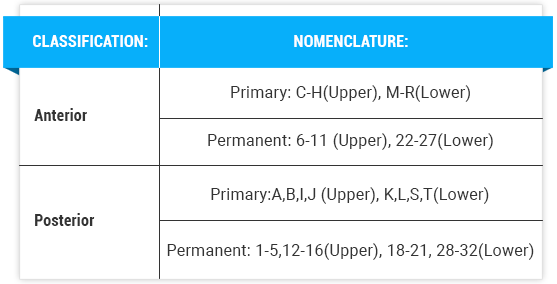
There are certain classifications on which the claim processing is based upon. Failing to which results in revenue loss or Denials.
In case of a filling, CDT which needs to be followed.