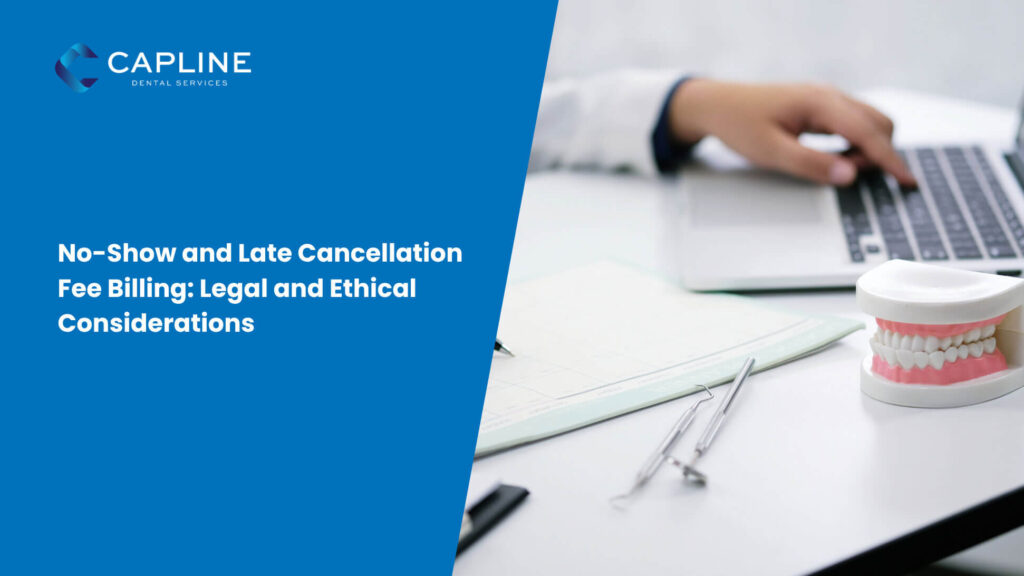
The dental team works hard to manage appointments and bookings for the practice. There is also some work that needs to be done before the patient steps into the practice. There could also be a possibility that a patient might not make it to the practice on the scheduled date and time.
A dental office cancellation policy can avoid a setback for a practice in terms of work processes and expected revenue. When a patient does not show up at the practice, the team cannot submit claims to the insurance company, and subsequently there are no reimbursements.
A dental office cancellation policy can assist the dental team in responding to patients who cancel or if there is a no-show for a confirmed appointment. The team must deal with any cancellation with tact and ensure a new appointment is also scheduled so that the calendar of patients is always well managed. This helps the team to build a stronger relationship with the patient while also helping to boost cash flow for the practice.
The team can do multiple things when there is a cancellation request by a patient.
The team can discuss rescheduling an appointment with the patient as per availability while the patient is still on the phone. The team can check the appointment calendar of the practice and offer dates and times accordingly.
It is possible that some patients might not be able to check their calendars while on the phone or know of suitable dates without a cross-check. The dental team can offer a few options for the patient to revert to. These options will help the patient get access to the care they need while still adhering to their own schedule and requirements.
There can be a possibility that a patient might not want to have a conversation about rescheduling on the phone. The team can email alternate available dates and follow up for confirmation. Reminders can also be set on the automation software of the practice.
It is imperative that follow-up or rescheduling be a priority. This helps the practice to retain the client and offer solutions as required. The team must emphasise the importance of oral health and how timely treatment can play a role in it.
There might be a requirement only for teeth cleaning. While the service might seem simple, one needs to remind a patient that keeping a long gap between appointments can be detrimental to their oral health. In addition, too wide a gap will also result in an increased cost of dental care in the future.
The purpose of stressing the need to make an appointment is not to scare a patient but to create a compelling need to make a visit to the practice at the earliest. A sense of urgency can make a patient confirm the appointment date at the earliest. A concerned tone will help to make the patient feel confident and assured.
While any patient will always make or confirm an appointment with an earnest intention, one may have to cancel an appointment for legitimate reasons or situations beyond any control. There will always be a small number of patients who tend to cancel or postpone regularly or might not even show up. One cannot irk a patient, and hence it is vital to motivate and convince a patient to stick to their scheduled date and time. A few steps that can be followed are as follows:
The practice can use data available from the practice management software to identify the list of patients who regularly postpone or cancel scheduled times and discuss why keeping to appointments can help both the patient and the practice. A dental office cancellation policy can help in managing canceled appointments and no-shows.
The team must try to fix appointments again when a patient cancels at the earliest. This helps in not losing out on a patient and helps to boost cash flow by billing at the earliest. A fee for frequently cancelling appointments can always be implemented, as it can make patients realize the worth and value of the practice’s time and effort.
To know more, talk to Capline Dental or write to info@caplinedentalservices.com