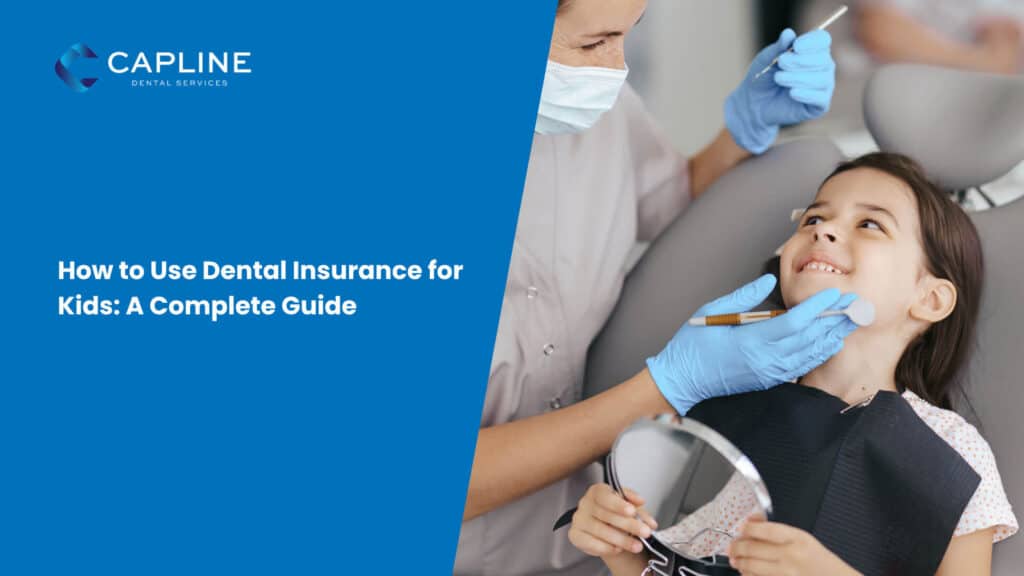
Dental care is not cheap, and everyone needs dental care, including kids. If one knows how to use dental insurance for kids, one can understand how a kid can be covered through insurance. Preventive dental care can thus become affordable. With insurance, dental care for kids gets less expensive.
One must understand how to use dental insurance for kids. Maximizing the benefits of an insurance policy is important. One can compare plans and evaluate options to find the best ways to leverage dental coverage.
The primary purpose of dental insurance for a child is to provide preventive care and treatment that enable a family to focus on care without delaying visits. Different plans come with varied features and benefits. The key offering of all plans is prevention and early action to address minor problems that can become major issues.
The impact that a dental plan that covers kids can have is considerable. Early dental care assists in avoiding typical dental issues and building healthy habits. One can choose a plan that covers cleanings, routine exams, etc in any in-network practice.
Based on the conditions, if a child needs fillings or orthodontic intervention, an insurance policy will help to lower costs significantly. By selecting a plan that provides preventive benefits, an early interaction between the kid and the practice can initiate long-term oral Health.
Getting a child enrolled in an insurance program is simple and convenient. There are multiple options that can be reviewed. One can select from the health insurance marketplace, or one can opt for public programs.
A comparison of benefits offered, premium amount, quality of network, annual maximums, and other conditions such as copayments needs to be done before enrolling in an insurance policy. Steps to refer are:
Adding newborns or adopted kids requires a birth certificate or adoption papers. Public programs need eligibility documents such as tax returns, proof of identity, etc. One must have the coordination of benefits information ready if a kid is covered by multiple plans.
To maximize the value of benefits from an insurance plan, select an in-network practice and ensure routine visits. While many plans cover examinations and cleanings free or at a negligible cost, this helps to avoid an early onset of cavities.
One can use the member portal of the insurance firm to select practices based on specialization and location. One needs to confirm if they are still in-network with the specific plan name and if there is a scope for taking new patients. Always request fee estimates for services covered by the plan.
Understanding coverage details for various services and frequency limitations for major procedures is important. One needs to comprehend how coinsurance and deductibles apply to basic services. The annual maximum must also be tracked, and critical services as required can then be planned accordingly.
Kids might need orthodontic services, and one needs to check for pre-authorization requirements, age limits, and lifetime maximums for the kid.
One can schedule twice-yearly preventive visits in each half of the year to maximize limitations offered by the plan. For a major procedure that demands multiple treatments, the dental practice can assist in sequencing the procedure across calendar years so that the procedure can get covered across two annual maximums.
Pre-treatment estimates help in understanding costs and out-of-pocket expenses before scheduling procedures. For non-emergencies, you should know your expected cost before scheduling.
For orthodontic benefits, review the plan’s rider for age limits, eligible appliances, lifetime maximums, etc. Pre-authorization also helps ensure claim submissions are approved and reimbursed promptly.
Different plans have different plans and coverage of services or procedures. One can compare plans and review what is covered and what the exclusions are. The age of the kids is important, as this will decide future requirements. Make sure that sealants and fluoride treatments are included in the plan. The plan must also provide a vast network of dental practices. Continuous engagement with the dental practice can help to maximize the benefits of the insurance plan and reduce out-of-pocket expenses. Besides making dental care for kids accessible, a good insurance plan also provides a healthy smile in the years to Come.